
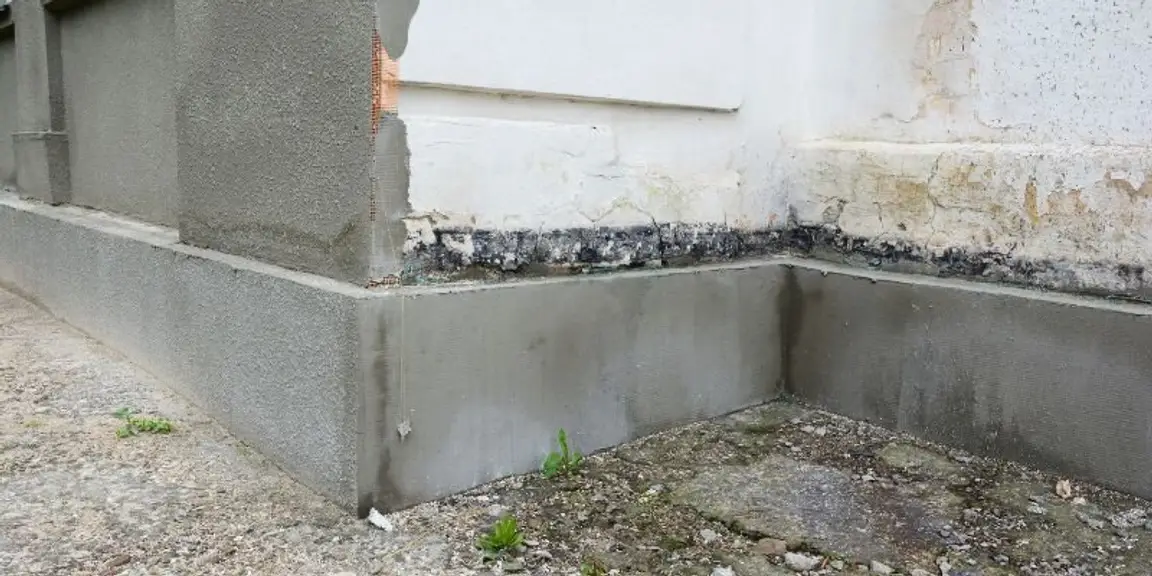
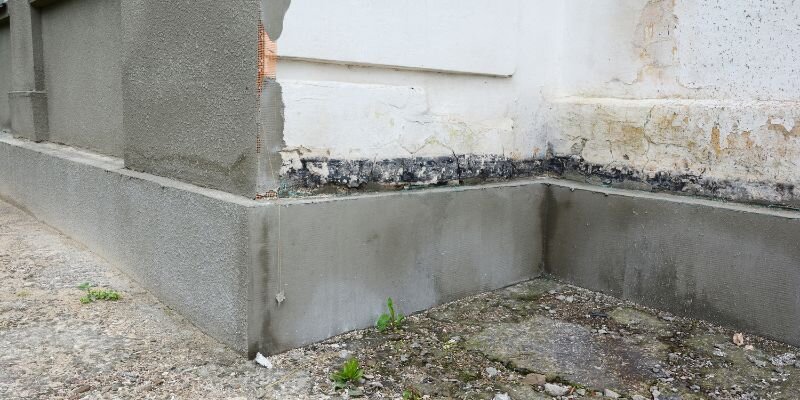
Foundation problems don’t have to impede your house sale efforts. I’ve acquired hundreds of properties all throughout Missouri with every kind of structural problem you can think of. And I’ll tell you the truth, there’s always a solution.
From settling in Kansas City’s clay soil to basement water problems common to St. Louis homes, you have options. I’ll show you exactly how to sell a house with foundation concerns, what you need to know about Missouri disclosure rules, and how to receive a fair price without spending a fortune on repairs first.
Understanding Foundation Problems in Missouri Homes Before Selling
Missouri has some distinct geography that makes for some unique foundation issues. Missouri’s inexpensive cost of living continues to entice people from more expensive places, pushing demand. But that same soil makeup that helps keep houses inexpensive can create big issues for foundations.
Much of the state is clay soil, particularly in the Kansas City and St. Louis areas. It swells when wet and shrinks when dry, exerting a continuous pressure on foundation walls. Add Missouri’s weather patterns and freeze-thaw cycles, and you have a recipe for foundation movement.
Typical warning indicators are stair-step fractures in basement walls, doors that won’t close properly, and floors that are not level. You could see spaces around windows or cracks in drywall that seem to recur after repairs.
The good part? Foundation problems don’t have to be the death knell for your house. “Current market conditions are that homes are selling pretty quickly. But with the proper buyer, there is the possibility where others perceive fundamental difficulties.
Common Types of Foundation Damage Found in Missouri Properties
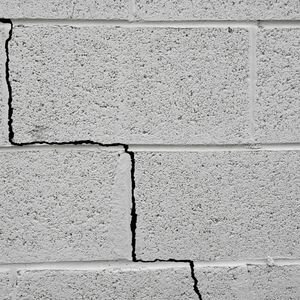
Let’s get precise about what you may be facing. I see these problems all the time in Missouri homes:
The most prevalent are settlement cracks. These are vertical or diagonal fissures in basement walls that occur due to natural settling or movement of the soil. Settlement cracks that are 1/4 inch or less frequently do not need to be fixed right away.
Bowing or leaning walls indicate considerable pressure from expanding soil or insufficient drainage. These certainly require expert attention, but don’t always kill a transaction if priced appropriately.
Water intrusion may be indicated by white mineral deposits (efflorescence) on basement walls, musty aromas, or standing water. These difficulties are particularly common in Missouri, with its high spring rains.
Floor problems include drooping, bouncing, or sloping floors due to foundation movement or failing support beams. These are often fixable problems, but the fixes can be costly.
Crawl space difficulties are common in many older Missouri homes. Poor ventilation, moisture buildup, and moving support posts are continuous difficulties. A house with water in the crawl space is especially concerning, as standing moisture can accelerate wood rot and create conditions that worsen foundation movement over time.
Each category affects your sale in a different way. Small settlement? There’ll be customers for it. Structural damage? Big time. This is a situation where you’re working with investors or cash buyers who flip bad properties. If your priority is to sell fire-damaged house in Missouri without investing additional money into repairs, these buyers are often the most practical solution.
Getting Professional Foundation Inspections and Structural Assessments
Get a professional opinion before you list or start negotiations. It’s not about repairing everything. It’s about knowing what you are dealing with.
A structural engineer will run you $400-800 and will give you vital documents. They’ll find out if the issues are cosmetic, moderate, or severe. This paper will be your guide on price and negotiations.
Foundation professionals will give you free estimates, but remember, they’re trying to sell you fixes. They are evaluations for information, so don’t feel like you have to do everything before you sell.
If there appears to be a lot of damage, get a couple of opinions. I’ve seen engineers argue quite a bit over repair costs and urgency. One may quote $15,000 for wall stabilization, and another one may quote $40,000 for full replacement.
Document everything using photos and written reports. Buyers like transparency, and it can be easier to negotiate with paperwork than with ambiguous terms like “some foundation issues.”
How Foundation Problems Impact Property Value and Market Appeal
Foundation problems often reduce property value by 10-20%, although the actual reduction in value depends on the severity of the issue and the local market. New data indicate that property prices in Missouri are still rising. The median sales price of a home is approximately $284,000.
Minor surface cracks may only cut down the value by 5-8%. Structural flaws can take 25% or more off the value. But here’s what most agents won’t tell you: The appropriate buyer may pay closer to full market value if they’re planning repairs anyhow.
Foundation difficulties tend to scare away conventional buyers. They envision worst-case scenarios and hefty repair expenses. But investors, contractors, and savvy homeowners see potential.
Location it matters hugely. In the more attractive neighborhoods (Prairie Village in Kansas City or Central West End in St. Louis, for example), a house with foundation concerns will retain its value better than in rural areas.
Market timing impacts your options, too. “Good weather and strong demand will move even troubled properties faster.” Homeowners who need certainty rather than waiting for the perfect buyer often choose to sell your home for cash in Missouri and avoid the uncertainty that foundation issues can create during a traditional sale.
Legal Disclosure Requirements for Foundation Issues in Missouri Real Estate Transactions
Missouri is “caveat emptor” (buyer beware), but it doesn’t imply you can hide foundation concerns. Under Missouri law, property owners must disclose all known material flaws in the real estate to prospective buyers up front.
You will have to reveal any known problems with the foundation. Hidden defects matter, too: Even if you can’t see a fault, like foundation fractures or water damage, you still need to report it. This includes any prior repairs, current difficulties, and everything that would be considered material by a reasonable person;
Proper disclosures could save you thousands. Most real estate lawsuits are disclosure problems. Better to be forthright, it keeps you out of legal hot water and usually leads to better negotiations than disguising problems.
The disclosure must be in writing and presented before the purchaser executes a purchase contract. The Missouri Association of Realtors requires sellers to fill out a detailed disclosure form covering all characteristics of the house, including any major concerns, liens, or lawsuits.
If you lie or conceal known foundation concerns, buyers might sue you for damages, demand repairs, or even nullify the transaction. I’ve seen sellers lose $50k+ in court battles over concealed structural concerns.
Repair vs Sell As-is: Weighing Your Options for Foundation-damaged Properties
It’s a math and a timeframe and a risk tolerance thing. Foundation repairs might be as little as $500 for little cracks or more than $50,000 for substantial structural work.
If the work can be done for less than $5,000, you have three or more months to have it done; many contractors offer you similar estimates, and if you’re convinced the repairs will fix the underlying problem, consider making repairs.
If estimates are more than 15% of the house value, if you need to sell within 60 days, if numerous contractors give drastically different opinions, or if you don’t have cash ready for repairs, sell as-is.
Here’s the truth: Most foundation audits don’t add value dollar for dollar. You could spend $15,000 on wall stabilization and only recoup $10,000 on sales price. But repairs can sometimes be the difference between selling something and selling nothing.
Reliable Cash House Buyers is one such company that buys properties with foundation concerns as-is. They manage repairs after closing, removing your risk and pressure of time.
Pricing Strategies for Missouri Homes with Known Structural Problems
Pricing a house with foundation problems is a balancing act between the market reality and your financial needs. Begin with an evaluation of your property that does not have foundation concerns, and then modify this based on repair costs and the market situation.
Method of repair expenses: Subtract projected repair costs from comparable sales. Similar properties sell for $200,000, and you’ll need $20,000 in renovations. Asking $180,000.
The investor method: Price for a speedy sale to cash purchasers. This usually is 60-80% of the post-repair value, but you close fast with no contingencies.
The optimistic approach: Price just under market value and let the buyers haggle it down. This is fine if difficulties are few and you’re not in a rush.
You can price with confidence in strong market conditions, especially in high-demand areas. Strategic pricing might attract many offers even when there are foundation difficulties.
Instead of reducing the price, think about giving repair credits. A $200,000 house that needs $15,000 in foundation repairs might sell better at $200,000 with a $15,000 credit than at $185,000.
Working with Real Estate Agents Experienced in Problem Property Sales
Not every agent has the skill to sell properties with foundation difficulties. “I think you need someone who has sold problem properties before and knows how to position them well.
Find an agent who has sold properties with structural difficulties in the last year, knows investment buyers and cash sales, can recommend contractors for estimates, and doesn’t rush you to make repairs before listing.
Can you ask potential agents about their experience with foundation difficulties in particular? How many have they peddled? What is the median time on market? How did they address buyer concerns?
Some agents will tell you not to list a house that has foundation difficulties. They’re concerned about their image, or they don’t grasp the investor market. Find someone who sees potential, not just issues.
An experienced realtor can help you price competitively, market to the proper purchasers, and negotiate repair credits or as-is sales. They also will know the forms of disclosure to utilize and how to present difficulties honestly but positively.
Marketing Techniques That Highlight Property Potential Despite Foundation Concerns
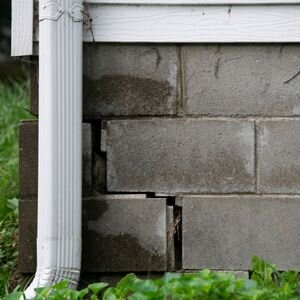
Honesty in marketing a house with foundation problems is the best policy, along with clever placement. Highlight the property’s best features, but tell the truth about its flaws.
Emphasize the location advantages. If you’re in a hot market, tout local features, school districts, or closeness to job centers. The best house in a bad location is usually not as saleable as a house with foundation problems in a beautiful location.
Can you tell us about recent updates? Buyers see a new roof, HVAC system, or kitchen renovations as evidence that you’ve maintained the house despite foundation difficulties.
Reach the proper audience. Pitch to investors, contractors, and buyers looking for sweat equity opportunities. These purchasers know that foundation problems are generally fixable.
Use excellent images and showcase the home’s best aspects, but be honest about any flaws. Put pictures of foundation problems on postings so purchasers know what they are getting.
Can you price it competitively enough to gain some traction? A house that is priced well and has reported flaws will frequently generate more activity than an overpriced house that hides difficulties.
Consider virtual tours that allow purchasers to see the whole home before visiting. It saves time for both sides and attracts serious purchasers who know what they are getting into.
Finding Cash Buyers and Investors Who Purchase Houses with Foundation Issues
Cash buyers and investors might frequently be the greatest solution for houses with foundation difficulties. Many homeowners work with cash home buyers in Oak Grove Heights when they want to avoid expensive foundation repairs and sell their property as-is. Many homeowners work with cash home buyers in Oak Grove Heights when they want to avoid expensive foundation repairs and sell their property as-is. They know the cost of construction, have repair personnel on standby, and can close swiftly with no financing conditions.
Homes with foundation problems are sought after by real estate investors. They can buy the home below market value and add value with renovations. They usually close in 10-20 days and offer 60-80% of the value after repair.
House flippers purchase a house with cosmetic and structural concerns, patch it up, and sell it. They have experience with foundation repairs and usually have contractors they like to use.
Small foundation difficulties don’t scare off landlords—they’ll buy homes if the numbers work for rental income. They are less concerned about cosmetic flaws than are owner-occupants.
Reliable Cash House Buyers is one such company that has experience in solving foundation difficulties in Missouri. They can provide you with a competitive cash offer within days. After closing, they take care of all repairs, so no worries about your deadline or danger.
Where to find these buyers: Contact local real estate investment groups, search for “we buy houses” companies in your region, inquire with contractors about who’s searching for projects, and post on investor-focused websites. If you’d rather skip the search and discuss a direct sale option, reach out to us to learn more about selling your Missouri house as-is.
Essential Documentation and Reports for Foundation-damaged Home Sales
Proper documentation protects you legally and helps buyers make informed decisions. Gather these reports before listing or negotiating:
Structural engineer reports provide a professional assessment of foundation problems and recommended repairs. These typically cost $400-800, but they add credibility to your disclosure.
Contractor estimates from multiple foundation specialists provide repair costs and options. Get at least three estimates for significant problems.
I’d like you to know that previous repair reports show your maintenance efforts and help buyers understand what you’ve already addressed.
Soil reports can explain the underlying causes of foundation movement, especially important in Missouri’s clay soil areas.
Drainage assessments determine whether water management contributes to foundation problems and identify improvements that might help.
Property surveys confirm boundary lines and identify any encroachment issues that might affect foundation repairs.
Insurance claims history related to foundation or water damage provides a complete disclosure of past problems.
Could you please keep everything organized in a file you can easily share with potential buyers? Transparency builds trust and often leads to smoother negotiations.
Negotiating Sales Contracts When Foundation Repairs Are Needed
Negotiating with foundation issues requires flexibility and clear communication about who is responsible for what. Several approaches work depending on your situation and buyer type.
As-is sales transfer all responsibility to the buyers. I appreciate you bringing the issues to my attention, Ms., but I would like to discuss potential repairs or warranties. This approach works best with investors or cash buyers who understand construction.
Repair credits let buyers handle repairs while adjusting the sale price accordingly. You might agree to a $15,000 credit for foundation work, allowing buyers to choose their contractor and timing.
Seller repairs mean you resolve problems before closing. This approach works if repairs are minor at first, but it creates risk if problems are more extensive than expected.
Split responsibility divides costs between buyer and seller. You might handle urgent safety issues while buyers address cosmetic problems.
Escrow holdbacks keep money in escrow until repairs are completed after closing. This protects buyers while giving sellers certainty about sale completion.
Be prepared for multiple rounds of negotiation. Foundation issues often trigger additional inspections and revised estimates as buyers learn more about the property.
Closing Process Considerations for Properties with Structural Issues
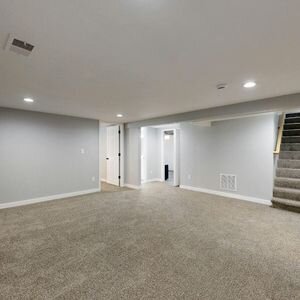
Closing a house with foundation problems requires extra attention to timing, inspections, and documentation. Plan for a longer sales process than usual.
Financing challenges often arise because lenders worry about collateral value. FHA loans might require repairs before funding. Conventional loans depend on an appraiser’s assessment, eliminating the need for you.
Insurance issues can complicate closing if foundation problems suggest ongoing water damage or structural instability. Some insurers won’t write policies until you complete repairs.
Title concerns usually arise from easement or boundary disputes affecting repair access related to foundation problems.
Final walk-through becomes more important with disclosed foundation issues. Buyers will check that problems haven’t worsened since the contract was signed.
Repair completion timing can delay closing if you’ve agreed to fix problems before transfer. You can build in extra time into your contract for unexpected complications.
Documentation transfer includes all repair estimates, engineer reports, and contractor warranties. Could you organize everything for a smooth handoff to new owners?
Work with an experienced closing attorney who understands structural issue sales. They’ll ensure all disclosures are properly documented and that liability is clearly transferred.
Alternative Selling Methods for Missouri Houses with Significant Foundation Problems
Traditional listing isn’t your only option for dealing with foundation problems. Several alternatives might work better depending on your timeline and financial needs.
Auction sales can generate competitive bidding even for problem properties. Real estate auctions attract investors comfortable with structural issues. You set a reserve price and let the market determine value.
Direct investor sales eliminate marketing time and repair negotiations. Companies like Reliable Cash House Buyers provide cash offers within days and handle all foundation repairs after closing.
Lease-option agreements let you find buyers who want to live in the house while saving for repairs. They pay option fees and monthly rent and eventually purchase once they secure financing.
Owner financing helps buyers who qualify avoid traditional loans, especially those with foundation issues. You act as the bank, collecting monthly payments while they handle repairs over time.
Partnership arrangements with contractors or investors can maximize value. You might partner with someone who handles repairs for an exchange, profiting when the house sells.
Land contracts work when foundation problems are severe enough that the house has minimal value, but the lot is valuable. Buyers purchase with the understanding they’ll likely demolish and rebuild.
Each alternative has different timelines, profit potential, and complexity levels. Consider your priorities: quick sale, maximum profit, or minimal hassle.
Frequently Asked Questions
Is It Hard to Sell a Home with Foundation Issues?
Selling a home with foundation problems is definitely more challenging than selling a house in perfect condition, but it’s absolutely doable. The key is pricing it right and targeting the right buyers. Cash investors and contractors actively look for these properties because they can add value through repairs. You’ll likely get fewer offers than a perfect house, but one good offer from the right buyer is all you need.
How Much Less Should I Offer on a House with Foundation Issues?
As a buyer, foundation issues typically justify offers that are 10-20% below comparable sales, depending on repair costs and severity. Minor settlement cracks might warrant only a 5-8% reduction, while major structural problems could justify a reduction of 25% or more from the market value. Get professional estimates for repair costs and use those as your negotiation starting point. Remember that some sellers are motivated to close quickly and might accept lower offers for certainty.
What Is the Most Common Reason a Property Fails to Sell?
Overpricing kills more sales than any other factor, especially when the ninth foundation is present. Sellers often price as if problems don’t exist, then wonder why they get no offers. The second biggest issue is poor disclosure. Trying to hide foundation problems usually backfires when buyers discover them during inspections. Price your home realistically and disclose any structural issues honestly, and it will still sell.
What Is the Hardest Month to Sell a House?
December and January are traditionally the slowest months for home sales in Missouri, with activity picking up in spring. The National Association of Realtors shows that sales activity increases significantly in February and March. However, cash buyers and investors often work year-round, so foundation-damaged properties might not see as much seasonal variation as traditional sales.
If you’re dealing with foundation problems and need to sell quickly, you don’t have to navigate this alone. If you still have questions about the cash home-buying process, disclosures, timelines, or closing costs, read other FAQs here for additional information. Whether you choose to make repairs, sell as-is, or work with a cash buyer, there’s a path forward that makes sense for your situation. Companies like Reliable Cash House Buyers understand Missouri foundation issues and can provide fair offers without the stress of traditional sales. If you want to explore your options with no pressure or obligation, reach out and let’s talk through what makes sense for your specific situation.
Helpful Missouri Blog Articles