
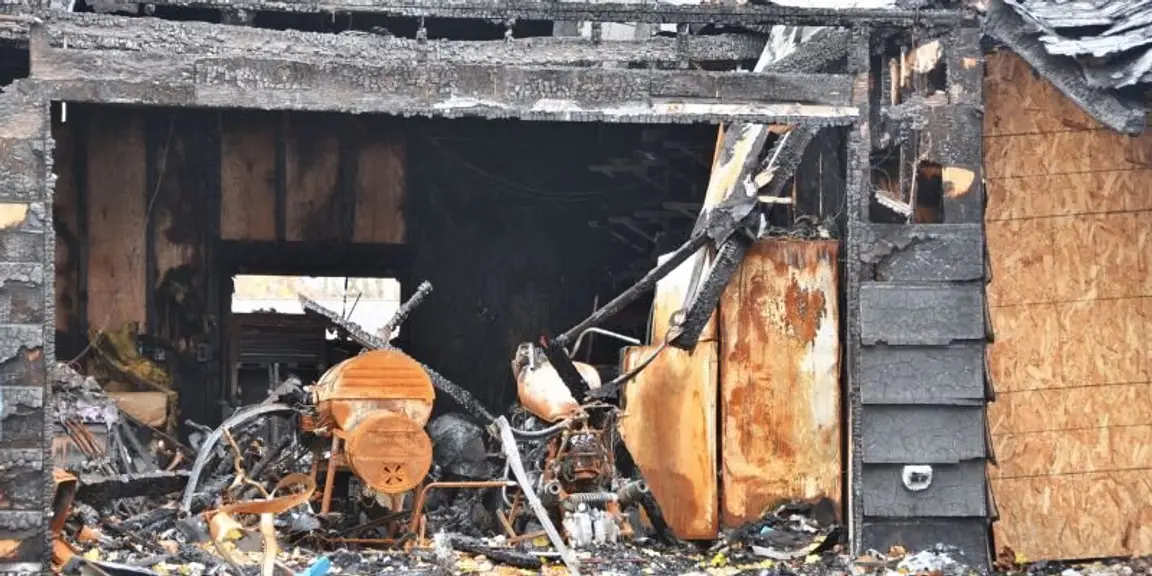
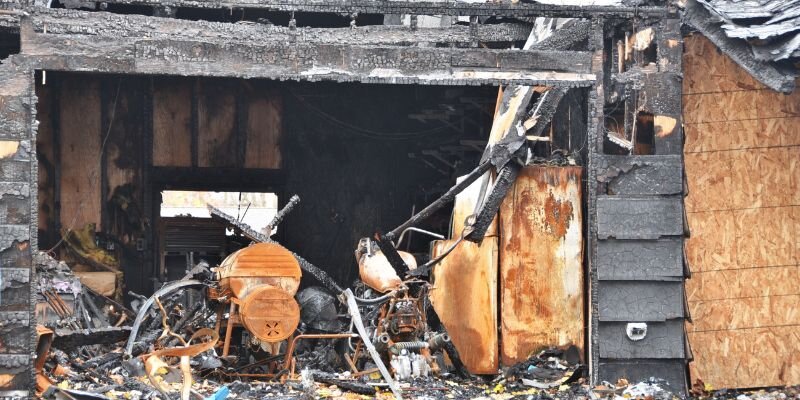
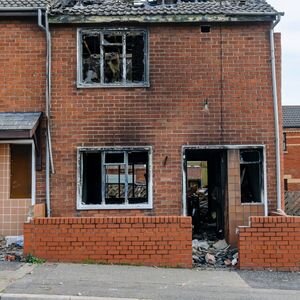
Fire doesn’t knock before coming into your life. One moment you’re cooking dinner, the next you’re outside watching flames devour everything you’ve created. I’ve bought over 300 fire-damaged houses in Missouri, and I can tell you the truth: what occurs next doesn’t have to ruin your financial future.
Most homeowners with fire damage are absolutely lost. Insurance adjusters are calling. Contractors want ballpark figures. Your mortgage firm needs some upgrades. And if you have emotional trauma and displacement, everyone wants something from you.
Here’s what I’ve discovered after years in this profession. You don’t have to rebuild to move forward. Sometimes the best course of action is to take your fire-damaged property and sell it soon and start over elsewhere.
Understanding Fire-Damage Assessment and Property Valuation in Missouri Real Estate Markets
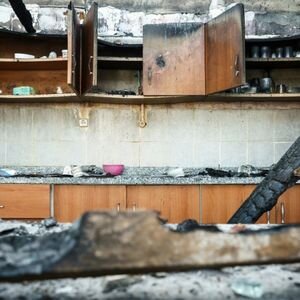
Fire damage presents a unique appraisal difficulty that most real estate brokers just can’t solve. Standard comps don’t take smoke penetration, structural compromise, or restoration expenses into account. The median home price in Missouri in April 2026 was $284,063; however, fire-damaged properties are priced very differently.
Structural engineers check the integrity of the foundation, the damage to load-bearing walls, and the safety of the electrical system. “Missouri building codes require certain certifications before anyone can live in a fire-damaged structure again. These assessments normally cost $800-1,500, but are vital in deciding whether restoration is financially viable.
Smoke damage is often more costly than visible fire damage. It can get into walls, insulation, and HVAC systems in ways that are not immediately evident. Professional cleanup businesses utilize thermal imaging and air quality tests to find hazardous locations. I’ve seen houses with smoke-damage restoration expenditures that have been above $40,000.
Fire is the most expensive claim, costing insurers $77,340 per claim. This figure tells you all you need to know about the severity of fire damage. When insurance companies are paying close to $80,000 for fire claims, that’s serious damage with a huge impact on property value.”
Water damage from firefighting makes the problem worse. Fire agencies pour thousands of gallons of water to put out flames, and that water lingers in your home for hours or days before cleanup ever begins. In the humid environment of Missouri, mold can start to grow in as little as 24 to 48 hours, creating health problems and increasing repair costs.
Special techniques are used by professional appraisers who know about fire damage to evaluate post-fire worth. Replacement costs, the availability of local contractors, permit requirements, and current market conditions are considered. Contractor shortages in cities such as St. Louis and Kansas City might mean months to complete repairs, which further impacts property value.
Legal Requirements and Disclosure Obligations When Selling Fire-Damaged Properties in Missouri
For example, if you sell a home with fire damage, you have to disclose that fact in Missouri, even if the damage has been repaired. The Missouri Property Condition Disclosure form specifically asks about fire damage, and lying causes legal penalties that can follow you for years.
You need to disclose the date of the fire, the extent of the damage, and any repair work done. Buyers have the right to review all restoration documentation, permits, and certificates of occupancy. The smart buyer will bring in specialized inspectors who understand the significance of fire damage.
Insurance companies keep extensive records of claims that become part of the permanent history of your property. This information will be accessible to future buyers when they apply for insurance. In Missouri, one claim raises your homeowner’s insurance premium by $468, and that expense is passed on to new owners.
Title insurance firms check out fire-damaged properties. They want to see documentation showing that all work was allowed and inspected. Unpermitted work can cause title problems that will hinder future sales. I’ve seen purchases fall apart weeks before closing because of missing permits from renovations done years ago.
Local governments require fire departments to keep records, and such documents are public information. Buyers can obtain the data to find the cause of the fire, how long it burned, and the extent of the damage. Such reports typically include information that homeowners would rather keep private, but they are available to anyone who asks for them.
By working with attorneys knowledgeable in fire damage sales, you protect yourself from future liability. They’ll get the disclosure text right and comply with all legal standards.
Insurance Claims Processing and Settlement Negotiations for Fire-Damaged Missouri Homes
In Missouri, insurance firms have to accept property insurance claims within 10 business days of receiving the claim notice. Missouri insurance law requires insurers to notify a claimant of the acceptance or denial of the claim within 15 business days. These deadlines protect the homeowner from delay by the insurance company but also create pressure to get everything documented quickly.
Insurance claims adjusters are employed by the insurance company and are paid to cut payments. Make sure to document everything with photos, videos, and written explanations before anyone enters your property. I have seen adjusters claim that damage was due to a pre-existing condition when it was obvious it was an effect of the fire.
Public adjusters can even the playing field in the event of a major loss. They work for you, not the insurance company. They charge on average 10-15% of your compensation. For major fires with claims above $50,000, their experience often recovers more in settlements than it costs in fees.
A fire insurance policy issued or renewed on or after August 28, 2021, should read to require that a partial loss by fire be settled in accordance with the following text, which allows the firm the option to settle at real cash value or to repair, rebuild, or replace the property: This allows your insurance company to reimburse you cash or do the restoration themselves.
Most insurance firms prefer cash settlements because they can control expenses better. But you may negotiate these issues, especially if you want to sell rather than renovate. Cash settlements allow you to sell as-is to investors or cash buyers.
Depreciation estimates have a large effect on settlement amounts. Insurance companies depreciate materials, fixtures, and finishes by age and condition. A 10-year-old roof may be just worth 50% of its replacement cost, and you will have to pay the difference out of pocket.
Working with Professional Fire Damage Restoration Companies and Contractors in Missouri
Across Missouri, restoration firms might vary greatly in quality and pricing. Kansas City and St. Louis offer more choices and competitive prices, whereas rural places tend to have fewer choices and higher costs. Before you sign any contracts, get many quotes and check all licenses and insurance.
Emergency services like boarding up and tarping should be done immediately to prevent further damage. Most insurance policies will cover these charges, but be sure to document everything with photos and receipts.
In Missouri, restoration timeframes are approximately 3-8 months, depending on the severity of the damage and contractor availability. Statewide, home values have maintained a modest climb, with a typical sale price in November 2025 of about $280,500. Fire-damaged homes, however, often don’t benefit from market growth over the long rehabilitation phase.
Permit requirements differ from municipality to municipality. Some include electrical, plumbing, structural, and occupancy permits. Each permit involves inspections, which can slow progress if the work does not pass inspection. Some contractors try to circumvent licenses to save time and money, but this creates enormous problems down the road with future sales.
Material costs have risen sharply in recent years, and restoration projects are generally 20-30% beyond early projections. Contractors usually require change orders for additional work found after demolition. These additional costs can quickly eat up insurance payouts and result in out-of-pocket payments.
When you are not on site during repair, quality control is important. They use regular inspections and progress images to guarantee the job is up to standard.
Negotiating Fair Market Value and Pricing Strategies for Fire-Damaged Properties in Missouri
Fire-damaged houses need particular pricing methods that take into account buyer perception, rehabilitation costs, and market conditions. Most buyers will immediately devalue fire-damaged buildings by 20-40%, regardless of the quality of repair, only because of the stigma linked to them.
Comparable sales analysis is not a clean one; real fire damage comparables are rare. Most appraisers will utilize other properties that have different forms of damage or will use a blanket % reduction that may not apply to your individual case.
Cash buyers and investors will pay you 60-80% of the worth after restoration, depending on the damage and the local market. This sounds minimal, but takes out restoration charges, holding fees, and market timing concerns. Add in 6-8 months of mortgage payments, insurance, utilities, and restoration overruns, and cash sales frequently yield similar amounts.
For ordinary properties in Missouri, the median days on market was 31 days, but fire-damaged homes can wait for 60-120 days or more. The longer you carry it, the higher your carrying expenses and the worse your bargaining position with future buyers.
Pricing is very time-sensitive. Selling quickly after the fire takes advantage of buyer compassion and insurance settlement money. Waiting months usually means further deterioration, security difficulties, and rising costs that eat away at your financial flexibility.
Professional staging won’t remove the stigma of fire damage, but a good presentation of a house can help buyers see the possibilities.
Marketing Strategies for Selling Fire-Damaged Houses in Missouri’s Competitive Market
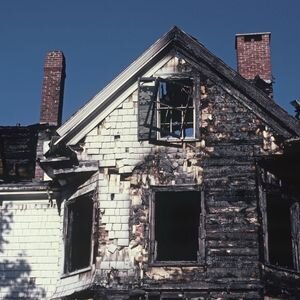
Most agents have no experience with distressed sales, thus traditional real estate marketing frequently doesn’t work for fire-damaged properties. Highlight all the great points of the normal MLS listings, but with fire-damaged properties, you need to be honest in your disclosure and very particular about how you place the property.
The investor networks are the most realistic buyer pool for fire-damaged properties. These purchasers also understand the costs and timetables involved with restoration and, therefore, are less likely to negotiate unreasonable terms or back out of contracts owing to inspection issues. Real estate investment groups in St. Louis, Kansas City, and Springfield have active lists of buyers for distressed properties.
You can leverage sites like BiggerPockets, FortuneBuilders, or meetups for local real estate investors to link you to cash purchasers that are actively seeking fire-damaged homes. They provide extensive property listings and restoration estimates to interested buyers for assessing opportunities.
If the property has any fire damage, professional photography becomes even more crucial. Good pictures of the damage and what could assist purchasers in making an informed decision. Interior damage might mask property size and location advantages that can be highlighted by drone imagery.
Honest marketing language fosters trust with serious buyers and weeds out the unrealistic. Investors and cash purchasers who can move swiftly, without financing contingencies, are attracted by detailed descriptions of the damage, estimates for the cost of repairs, and a clear explanation of pricing.
Companies like Reliable Cash House Buyers buy fire-damaged properties in Missouri. They are an important source of information for homeowners who are looking for a speedy sale without all the headaches of traditional marketing, and they know local market circumstances, the cost of restoration, and legal requirements.
Quick Cash Sale Options for Fire-Damaged Houses in Missouri Without Repairs
Cash purchasers reduce the biggest problems of selling fire-damaged properties—financing complications and buyer qualifying. Most mortgage lenders will not lend on properties that require extensive restoration work, so you will only be able to sell to cash buyers or investors. Working with experienced cash home buyers in Missouri can simplify the process by eliminating financing contingencies and reducing closing delays.
iBuyers such as Opendoor and Zillow generally don’t go near fire-damaged homes. Their automated value models can’t account for the vagaries of fire damage, and their business models depend on speedy and predictable renovations. “This creates opportunities for local cash buyers who know Missouri markets.”
Wholesale purchasers buy homes at substantial discounts to sell quickly to other investors. They pay 50-70% of the after-repair value and can close in 7-14 days with no paperwork. Distressed homeowners can get instant funding through wholesale sales.
Many real estate investors have contacts with restoration contractors, offices, and insurance firms. Their knowledge means that they can rapidly assess the property and make fair bids based on realistic restoration costs, not emotive responses to fire damage.
Owner financing can fill the gap between cash acquisitions and standard sales. Motivated sellers can provide finance to qualified buyers who may not be able to qualify for traditional mortgages on fire-damaged properties.
Auction sales are a good option for desirable locations of fire-damaged property. Absolute auctions generate a competitive atmosphere and urgency among investors that can drive prices higher than anticipated.
Missouri Real Estate Investors and Cash Buyers Specializing in Fire-Damaged Properties
There are experts in the Missouri real estate investment community who work primarily on fire-damaged buildings. These buyers understand the expenses of restoration, permit procedures, and the timing of the market that regular investors tend to overestimate.
“Kansas City investors tend to be looking for urban-core properties that have been fire-damaged in older homes that have good bones and a good location.” Investors in St. Louis often look for fire damage on outlying homes to newer structures that can be more profitably restored.
In rural Missouri, investors usually look for bigger properties where the value of the land makes it worthwhile to invest even if the buildings burn down. Farm properties and acreage parcels can have value through agricultural use or development potential, even if there is building damage.
Local investor clubs in Missouri’s largest cities meet monthly and have internet forums where fire-damaged houses are often addressed. These networks provide a number of buyer possibilities and competitive bidding, which can raise sale prices.
Reliable Cash House Buyers has bought fire-damaged properties across Missouri, and we know the special issues that homeowners encounter. They know insurance companies, contractors, and local rules, so they can get competitive offers fast and handle the complex intricacies of a sale.
In Missouri, hard money lenders frequently deal with investors purchasing fire-damaged buildings for rehabilitation and resale. These lenders know property prices and the cost of restoration, so they can be a great resource for purchasers who may not be able to get regular financing.
Alternative Selling Methods: Auctions, Wholesaling, and Direct Sales for Fire-Damaged Missouri Homes
Real estate auctions offer an appealing alternative by eliminating lengthy marketing times and setting solid sale dates that help with financial planning. Auction businesses in Missouri that have experience with distressed properties know how to market fire-damaged homes to investors.
Absolute auctions sell to the highest bidder regardless of price, producing maximum urgency among purchasers. This approach works well on houses in desirable regions where there may be numerous investors bidding. Auction benefits and minimum price protection are given by reserve auctions.
Wholesale contracts allow investors who specialize in fire-damaged houses to make speedy sales. Wholesale purchasers often close in 2-3 weeks or less and handle all due diligence, inspections, and legal obligations.
Subject-to transactions occur when investors buy the property but take on the mortgage payments. This approach can offer immediate relief from mortgage responsibilities while providing time for insurance payouts to materialize. But these arrangements have to be carefully documented legally.
Lease option agreements allow investors to manage the property while allowing the sellers to receive income and money from a future sale. That’s a good option when you’re waiting on an insurance settlement or if you need time to move but don’t want to pay the ongoing costs of the property.
The optimum combination of quickness, certainty, and fair price is often direct sales to local investors. Homeowners who need to sell your house fast for cash in St. Peters often prefer this approach because it avoids repair expenses, lengthy listing periods, and financing-related setbacks. Savvy investors can swiftly assess properties and make competitive offers based on realistic restoration costs and market information.
Preparing Fire-Damaged Property Documentation and Title Transfer Requirements in Missouri
Title firms will demand lots of documentation to transfer fire-damaged property. This comprises insurance claims papers, rehabilitation permits, contractor invoices, and occupancy certificates. In the beginning, collecting these documents avoids delays in closing and legal difficulties.
Property surveys are important when fire damage is done to boundary structures such as fences, garages, or sheds, however. Surveyors must certify that the proposed replacement structures do not intrude on the property of others or breach setback rules.
Environmental studies may be performed if the fire involves hazardous materials or if asbestos or lead paint was discovered during restoration work. These appraisals can hold up your closing for many weeks, but they’re required by law to safeguard the buyer.
Documentation of disconnection and reconnection of the utility shows that all systems were correctly restored and examined. Gas, electric, water, and sewer utilities retain records of service interruptions and restoration clearances that buyers and lenders need.
Building department records include all permits issued, inspections conducted, and certificates of occupancy issued. These certificates provide proof of the work being done safely and legally, shielding vendors and buyers from future liabilities.
Insurance loss runs are a thorough history of claims that can affect the insurability and cost of property. New owners need this information to get coverage. Some insurance companies will not cover properties with a history of major fire damage.
Tax Implications and Capital Loss Considerations for Fire-Damaged Property Sales in Missouri
Fire damage can generate special tax situations that may bring great benefits or produce unanticipated liabilities. In many cases, the insurance payment exceeds the basis in the property, and there will be taxable gains even if the property is eventually sold at a loss.
Casualty loss deductions enable homeowners to deduct losses from uninsured fire damage from their income in the current year. These reductions can affect other income and decrease the overall tax burden, offering some financial respite during difficult times.
If the insurance proceeds are greater than the basis in the property, the tax can be deferred under Internal Revenue Code section 1033 if the proceeds are reinvested in a similar property within a certain period of time. The clause allows homeowners to defer immediate tax repercussions as they reconstruct their lives.
Depreciation Recapture When Selling Your Fire-Damaged Investment Property. Any depreciation deductions taken in previous years are reclaimed as ordinary income, which can result in significant tax liabilities even if the properties are sold at apparent losses.
Tax treatment per state varies, although Missouri generally conforms to federal tax treatment of casualty losses and insurance settlements. However, there may be cases where professional tax guidance is needed to optimize results and avoid unforeseen liabilities.”
Fire-damaged property sales often raise additional concerns about timelines, closing costs, inspections, and cash offers. If you have questions beyond those covered in this guide, you can read other FAQs here to learn more about the process and what to expect when selling a distressed property.
Post-sale Considerations and Moving Forward After Selling Your Fire-Damaged Missouri House
It takes longer to recoup emotionally from fire damage sales than it does financially. The faster you sell, the better, since it brings closure and removes the continuous burden of managing property, negotiating insurance, and making decisions about restoration.
Missouri’s rental assistance programs can help displaced homeowners with temporary housing as they look for permanent replacements. These programs generally give deposit help and below-market-rate housing for fire victims.
Credit monitoring after a fire is still necessary since insurance payouts, contractor payments, and emergency costs can all impact credit ratings. Monitoring helps to detect faults and avoid insurance claim delays, generating payment issues.
Insurance claims might take months to get paid after property transactions. Sellers should continue to provide addresses and cooperate with their insurance firms to help with the correct distribution of settlement and tax papers.
Future insurance applications will address questions regarding previous claims for fire damage. Full disclosure helps avoid insurance cancellations and guarantees enough coverage for replacement property. Some insurers specialize in insuring homeowners who have a history of making claims.
I think we need to set realistic expectations about expenses and the availability of substitute property to go forward successfully. Missouri’s median home price was $280,500 in November 2025. That’s a 7.0% increase year-over-year, so replacement costs are still rising while sales of fire-damaged property may not be able to keep up.
Frequently Asked Questions
What Makes a House Unable to Sell?
Fire-damaged property is very difficult to sell using standard methods because of the many obstacles, such as difficulty with finance, insurance, and buyer perception. Most mortgage lenders will not finance a property that needs major restoration work, so your pool of buyers will be severely diminished. Plus, there are a lot of buyers who simply won’t touch a fire-damaged property, regardless of how cheap it is or how well it’s been restored.
How Should I Price a Fire-damaged House?
Fire-damaged properties that are sold as-is to cash buyers usually sell for 60-80% of what they are worth once restored. Pricing should take into account restoration costs, holding costs, and market timing. A professional appraiser trained in fire damage appraisal can provide fair valuations that reflect all of the pertinent aspects and not just conventional comparable sales.
What Is the Property Damage Statute in Missouri?
In Missouri, you have five years from discovery to bring property damage claims, but insurance policies often require immediate notice of your losses. If you have fire damage, especially, you should call your insurance company within 24-48 hours of the incident to ensure coverage and begin the claims process correctly.
What Is the Hardest Month to Sell a House?
December and January are usually the slowest times for real estate activity in Missouri, due to the weather and the holidays. However, fire-damaged buildings confront issues year-round, making seasonal timing less essential than locating qualified cash purchasers or investors who can close fast regardless of market conditions.
If you’re dealing with fire damage and need to sell quickly in Missouri, you don’t have to navigate the process alone. Whether you’re evaluating repair costs, negotiating an insurance claim, or considering a cash sale, contact us to discuss your options and get answers specific to your situation. Companies like Reliable Cash House Buyers understand exactly what you’re going through and can provide fair cash offers without the stress of traditional sales. They’ll handle the paperwork, work around your timeline, and give you a straightforward path forward. If you want to talk through your options, they’re here to help—no pressure, no obligation, just honest answers when you need them most.
Helpful Missouri Blog Articles