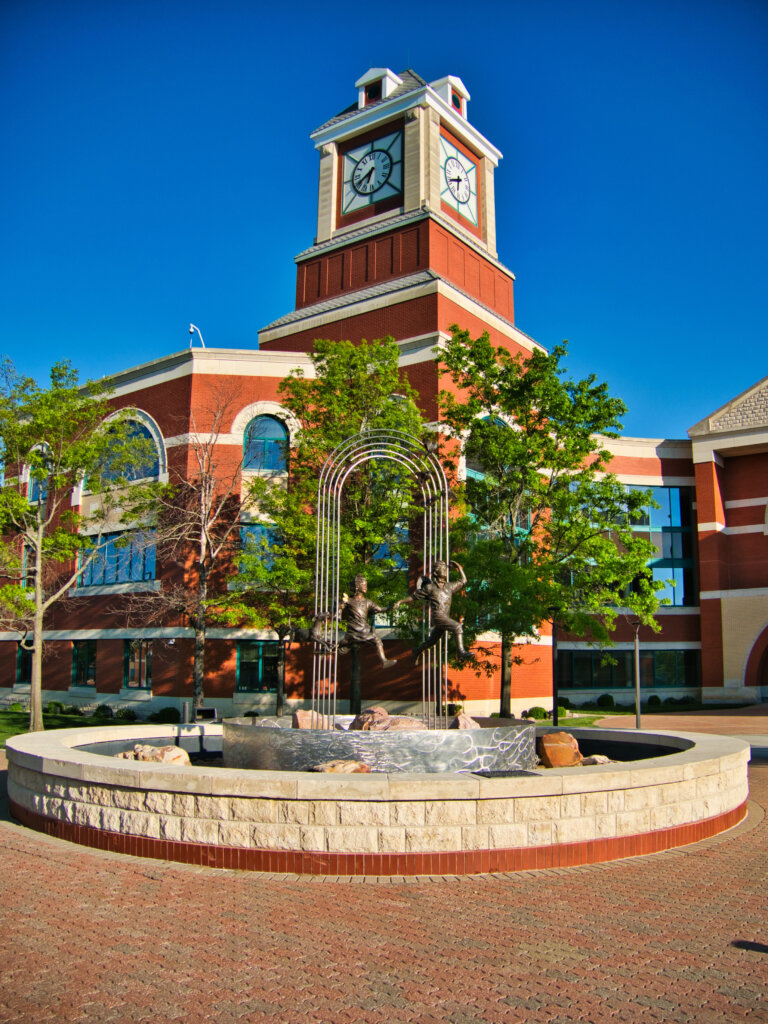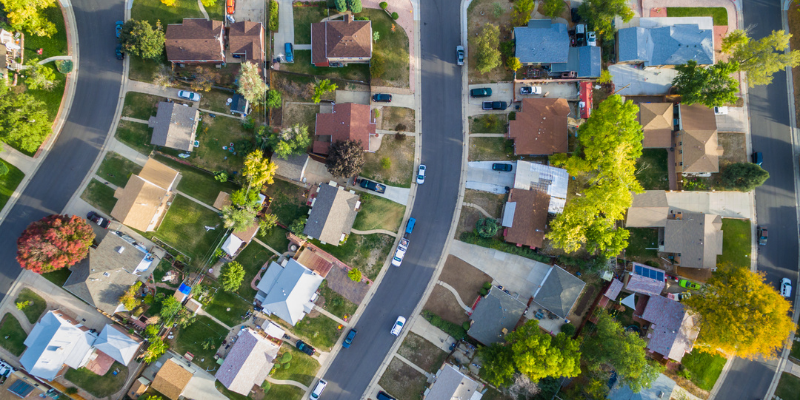
Pull up an Olathe, Kansas, neighborhood map, and you’ll quickly realize this city is anything but one-note. Spread across roughly 60 square miles, Olathe blends brand-new subdivisions, older established neighborhoods, and fast-growing development zones that feel entirely different depending on where you land.
West Olathe is newer and pricier, Central Olathe is affordable and established, and East Olathe is closer to Kansas City with shorter commutes and older housing stock. In 2026, Olathe remains one of the most balanced housing markets in Johnson County—popular with families, professionals, and retirees alike.
Instead of driving around aimlessly, hoping to “feel it out,” Olathe offers publicly available interactive maps that let you check zoning, school districts, parks, and property details before you ever set foot in a neighborhood.
Let’s break down how to use those maps—and what each part of Olathe actually offers.
How to Access the Official Olathe, KS Neighborhood Map
City of Olathe Interactive GIS Mapping Tools

The City of Olathe provides a free, public GIS (Geographic Information System) mapping platform that offers far more detail than a standard map app. This tool is handy if you’re trying to understand how different neighborhoods function beyond surface-level appearances. Instead of guessing where property lines fall or which schools serve a specific address, the GIS map allows you to interact directly with city data in real time.
By entering an address, you can zoom in to see exact lot boundaries, home footprints, and surrounding parcels. The system also lets you toggle layers on and off, revealing zoning classifications, school district assignments, nearby parks, trail systems, and city-owned facilities. For buyers, this makes it easier to compare neighborhoods side by side. For homeowners, it provides valuable insight into how their property fits into Olathe’s broader planning picture.
In many ways, it works like Google Maps, but with information that actually matters when you’re making a housing decision in 2026. Whether you’re planning to move, invest, or sell, these tools help eliminate surprises before money changes hands.
Property Parcels, Zoning, and Land Use
One of the most valuable features of Olathe’s GIS system is the parcel and zoning layer. This section of the map shows how every property is classified and what types of development are allowed nearby. It can prevent situations in which someone buys a home expecting long-term peace, only to discover later that commercial or mixed-use development is permitted on adjacent land.
The map also pulls in Johnson County appraisal data, which includes lot size, property classification, and assessed value. This information is invaluable for homeowners considering selling and wanting to understand how their property compares to others in the area. In some cases, reviewing zoning or valuation details can help determine whether it makes sense to list traditionally or explore alternatives, such as a direct cash sale.
For sellers dealing with inherited homes, deferred maintenance, or properties that no longer fit their needs, having this context makes conversations with buyers like Reliable Cash House Buyers more informed and less stressful. You’re not walking in blind—you already understand how your property is positioned within the city.
Map of Neighborhoods in Olathe, KS: Geographic Breakdown
Olathe naturally breaks into three broad geographic areas, each attracting a different type of homeowner. While the city operates as a whole, daily life can feel very different depending on whether you live in the western, central, or eastern portion of town. These differences show up in home age, price ranges, commute times, and even the general pace of life.
West Olathe: Newer Homes and Master-Planned Communities
West Olathe has experienced consistent growth over the past decade, and that momentum has continued into 2026. This area is known for newer construction, wider streets, and neighborhoods that were designed with long-term planning in mind. Many communities here feature modern layouts, larger homes, and amenities that appeal to families and professionals who want space without leaving Johnson County.
Cedar Creek and Southglen
Cedar Creek is one of Olathe’s most upscale communities. Homes are newer with larger lot sizes, many with views of the golf course and access to walking trails. There are also community amenities, including a pool and a clubhouse. In Cedar Creek, pricing reflects the community’s high-end positioning. Most homes are priced between the mid-$500,000 and over $800,000 range, depending on the size and location of the house.
Nearby Southglen provides a more reasonable price while still having newer construction and modern designs. Homes in Southglen are priced from the upper $ 300,000s to the low $ 500,000s, making the community an ideal spot for families who want new home designs without the full price of luxury homes. Southglen and Cedar Creek communities are both in the Olathe USD 233, which is highly rated and commended by parents for its support and staff.
West Olathe as a whole attracts families, move-up buyers, and remote professionals for its new homes, neighborhood amenities, and long-term stability.
Central Olathe: Established Neighborhoods with Value
Central Olathe remains one of the most appealing parts of the city for buyers and homeowners who prioritize value. In 2026, this area continues to offer some of the best price-to-space ratios in Johnson County, especially when compared to newer developments farther west.
Havencroft and Briarwood
The neighborhoods Havencroft and Briarwood contain homes primarily constructed between 1970 and 1990. These homes are typically situated on older lots with mature trees, older streets, and designs that are more reflective of older construction styles. Pricing is usually between the high $200,000s and the low $400,000s, and it depends on the home’s condition and renovations.
In Central Olathe, many are well-kept and structurally sound; however, the interiors are more dated than those of newer structures. This is an appealing quality for buyers who desire more space and character without the added cost of modern finishes. It is also typical of a region with many long-time owners, who may be contemplating selling but are not willing to spend money on renovations.
As a result, Central Olathe is where Reliable Cash House Buyers frequently works with sellers who prefer to avoid repairs, showings, and extended timelines. A cash sale can be especially appealing to retirees, heirs, or owners facing maintenance issues.
This part of the city is best suited for budget-conscious buyers, empty nesters, and long-time residents who value familiarity and affordability.
East Olathe: Commute-Friendly and Older Housing Stock
East Olathe offers a different appeal, especially for people who prioritize location and convenience. With quicker access to I-35 and the Kansas City metro, this area is often chosen by commuters who want to minimize drive times while staying within Olathe city limits.
Old Town Olathe and Surrounding Areas
The oldest housing stock in Olathe is found in Old Town Olathe and the surrounding neighborhoods. Most of the homes there were built in the 1950s to the 1980s. While they are smaller than the homes in West Olathe, they offer charm, walkability to downtown, and access to events and activities.
In eastern Olathe, homes are priced between the low 200,000s and the mid 300,000s, making it the most affordable access point into Olathe’s housing market. However, many of these homes need work, and not every homeowner wants to take on the renovation costs before they sell.
In those situations, selling a home as-is can be the most practical option. Learning more about how Reliable Cash House Buyers works can help homeowners understand how to move forward quickly without repairs or long listing periods. East Olathe is especially popular with first-time buyers, investors, and downsizers who value location over square footage.
Olathe Housing Market and Affordability in 2026
Olathe continues to experience consistent growth in its housing market, yet it has not yet seen the extreme fluctuations seen in its neighboring cities. This stability has contributed to Olathe’s ranking as one of the top housing markets in Johnson County as of 2026.
Olathe has an East, Central, and West division. East Olathe is generally the most affordable division, with homes priced from $225,000 to $350,000. Central Olathe, Olathe’s second subdivision, offers housing prices ranging from $275,000 to $425,000, which can shift based on housing updates and lot sizes. West Olathe has the most expensive housing, where new homes and planned communities are available for $350,000 and $800,000.
In 2025, 70% of Olathe’s homes were sold for under $450,000. This highlights the demand for housing in Olathe, as it attracts middle-income families seeking to settle in an area with a reputable school system.
The prices of homes in Olathe, as well as the number of inclusions, are a stark contrast to those in the neighboring cities of Overland Park and Leawood. Olathe is well-positioned with favorable property tax rates and a higher-ranking school system. Olathe has positioned itself as having an optimal location, affordable homes with significant value inclusions, and an efficient school system. As a result, demand has remained high as of 2026, even amid ever-increasing restrictions and rules for prospective buyers.
Schools, Amenities, and Lifestyle in Olathe, KS
The majority of Olathe is served by Olathe USD 233, one of the most established and largest public school entities in the whole state of Kansas. It encompasses Olathe East, Olathe North, and Olathe West, all of which are highly ranked academically, athletically, and in extracurricular activities. A considerable portion of the City of Olathe’s clientele is families with school-aged children, a result of the Olathe school district’s extensive offerings, including advanced placement programs, robust fine arts, and competitive athletics.
The most salient feature in 2026 is the district’s competitive advantage in terms of viability. Most school districts across the nation are experiencing severe staffing and budgetary woes. Yet, Olathe USD 233 can offer families the exact class sizes and a similar menu of offerings as years past. This stability contributes to the overall value of homes throughout the community, particularly in areas with school-aged children and families planning to remain for several years.
Parks, Recreation, and Outdoor Access
Olathe’s commitment to outdoor spaces and community amenities is illustrated by the city’s over 50 parks and connected trail systems. These are not small pocket parks, but rather are designed for daily use by the community as places they can visit and enjoy regularly.
Recently expanded Lake Olathe Park is now a primary destination for Olathe residents. With walking trails, water access, picnic areas, and wide open spaces, the park appeals to families, runners, and all who enjoy the outdoors. Olathe’s Mahaffie Stagecoach Stop & Farm also offers visitors a chance to enjoy a park while taking advantage of its educational programs and special events.
Olathe’s extensive network of paved bike and walking paths also allows visitors and residents of the parks to access a large portion of the city without having to travel on the busy streets. Outdoor recreation is valuable to all Olathe residents, especially those who desire a suburban lifestyle and want to be physically active daily.
When considering practical factors, Olathe’s accessibility for regional travel and local errands is quite impressive. With I-35 and K-10 freeways at the city’s borders, residents can easily commute to Overland Park, Downtown Kansas City, and other major employment centers. Based on the 2026 regional commuting data, most residents have commutes of 25 to 30 minutes, which is highly reasonable for the metropolitan area.
Along 119th Street and at Olathe Station, major retailers have recently opened shops, and local businesses have been established to serve the growing population. Olathe does not have a Downtown Kansas City type of nightlife, but there is enough activity to keep residents of the metro occupied. Olathe’s mix of convenience and tranquility is the reason for the city’s growing appeal.
Choosing the Right Olathe Neighborhood for Your Lifestyle

Olathe features neighborhoods with varying attributes, catering to people at different life stages: starting, raising a family, or downsizing after retirement. The city offers a range of neighborhoods that help you balance your lifestyle and budget.
Young professionals commuting to Kansas City or Overland Park will find that East Olathe and parts of Central Olathe make the most sense. These neighborhoods have the lowest entry prices, quickest highway access, and most lenient HOA rules. Younger buyers tend to favor older homes, which allow them to build equity in a house rather than bear the financial burden of new construction.
Families are typically attracted to communities with newer houses, well-designed streets, and proximity to amenities like parks and schools, which help balance busy family schedules. The neighborhoods are designed for long-term living, with family-friendly layouts and a range of family-friendly amenities. In combination with quality of schooling and modern houses, it’s this access to the outdoors that helps keep West Olathe popular year after year.
Central Olathe attracts retirees and empty nesters who wish to simplify their lives while maintaining comfort and a desirable location. Long-standing neighborhoods provide buyers with quieter streets, healthcare, shopping, and other services. These homeowners appreciate the long-standing neighborhoods as well as the opportunity to explore Fun Facts About Olathe, which highlight the city’s unique charm and history. Many also enjoy the flexibility to sell on their own terms when home maintenance concerns arise.
Key Takeaways: Olathe, KS Neighborhood Map (2026)
In 2026, Olathe, Kansas, continues to stand out as a city of distinct neighborhoods, each offering its own advantages for different lifestyles and budgets. West Olathe is known for newer construction, larger homes, and family-focused communities with access to parks and strong schools. Central Olathe provides excellent value with established neighborhoods, flexible housing options, and more affordable price points. East Olathe offers older homes, quicker access to major highways, and some of the city’s most budget-friendly opportunities.
Whether you’re researching where to live or planning to sell, understanding these neighborhood differences is key to making a confident decision. For homeowners in Olathe who want to sell quickly without repairs, showings, or long wait times, Reliable Cash House Buyers offers a simple solution. As a local Kansas cash home buying company, Reliable Cash House Buyers helps Olathe homeowners sell their houses fast for cash, providing clarity and convenience in today’s market. Contact Reliable Cash House Buyers at (816) 451-0753 today!
Frequently Asked Questions
What are the main features of the Olathe neighborhood map?
The Olathe neighborhood map includes detailed zoning classifications, clear layouts of residential, commercial, and recreational spaces, and comprehensive views of the city’s infrastructure. This makes it an invaluable tool for understanding the city’s geographic boundaries and amenities.
How can the Olathe map assist in relocation and travel?
The map’s clear zoning and layout aid in identifying suitable residential and commercial areas, facilitating informed relocation decisions. Additionally, the visual representation helps plan travel routes and discover local amenities and attractions.
Why is Olathe a preferred location for families?
Families favor Olathe due to its reputable schools, family-friendly neighborhoods, expansive parks, and vibrant community activities. The supportive community environment enhances the quality of life, making it an attractive destination for families.
What can newcomers expect when exploring Olathe’s neighborhoods?
Newcomers can explore a dynamic mix of suburban tranquility and bustling activity within Olathe’s neighborhoods. The map provides insights into the city’s cultural events, community spirit, and neighborhood connections.
How do interactive maps enhance the home-buying experience in Olathe?
Interactive maps offer comprehensive views of Olathe’s city layout, highlighting essential zoning classifications and neighborhoods. These maps help inform decisions, ensuring a seamless home-buying process that is user-focused.
Helpful Olathe, KS Blog Articles